
Quick Overview
Many South African artists spend months creating music, releasing it on streaming platforms, promoting it on social media, and performing it live.
But surprisingly, many never register their music correctly.
The result?
Money gets left on the table.
If your music is played on radio, streamed online, performed live, or used commercially, you could be entitled to royalties. However, those royalties can only be collected if your music is registered properly.
This guide explains everything South African artists need to know about registering music in 2026.
Why Registering Your Music Matters
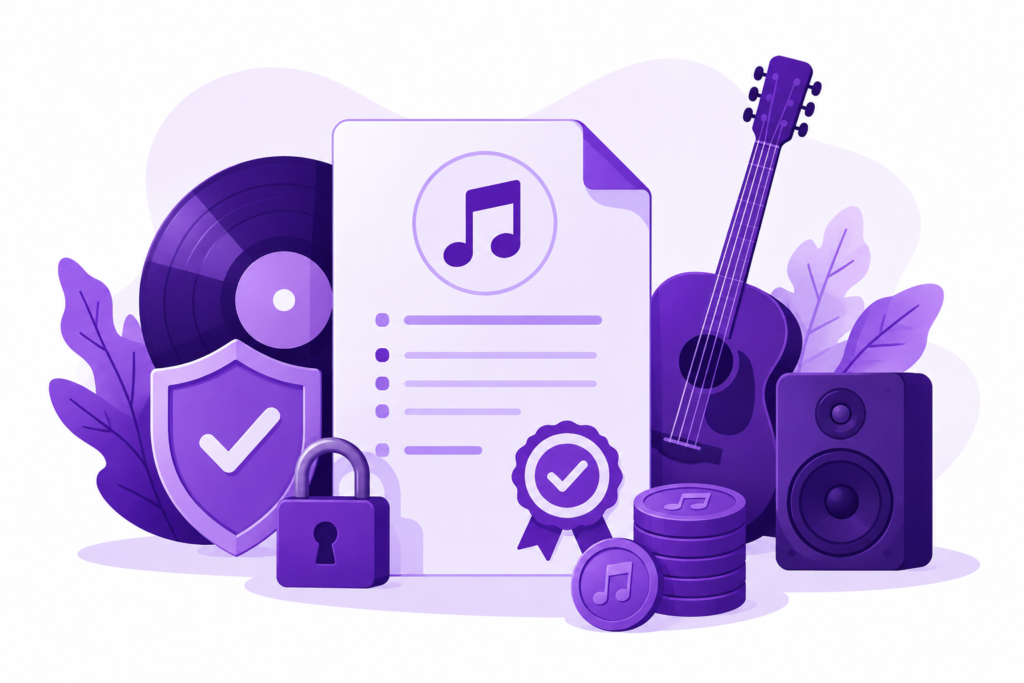
Registering your music helps establish ownership and allows royalty collection organizations to identify who should be paid when your music generates income.
Without proper registration:
- Royalties can go unclaimed
- Ownership disputes become harder to resolve
- Music usage becomes difficult to track
- Revenue opportunities may be lost
Think of registration as putting your name on your work before the world hears it.
Step 1: Register With SAMRO
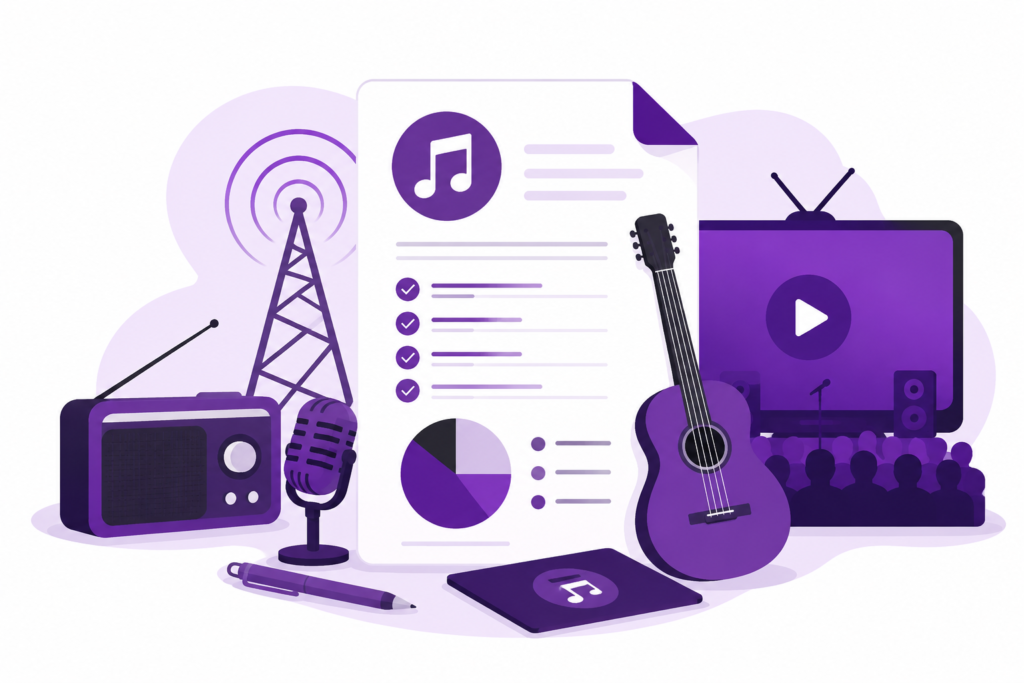
SAMRO (Southern African Music Rights Organisation) collects performance royalties.
These royalties are generated when your music is:
- Played on radio
- Broadcast on television
- Performed live
- Played in public venues
- Used by licensed broadcasters
If you write songs, compose music, or create lyrics, SAMRO is one of the most important organizations you should join.
Once registered as a member, you can submit your musical works and ensure your ownership percentages are recorded correctly.
Step 2: Register With CAPASSO

CAPASSO manages mechanical royalties.
Mechanical royalties are generated when your music is:
- Streamed online
- Downloaded
- Reproduced digitally
- Distributed through various platforms
As streaming continues to dominate the music industry, CAPASSO plays an increasingly important role in helping artists collect revenue from digital usage.
If you’re releasing music on Spotify, Apple Music, YouTube Music, Deezer, or similar platforms, CAPASSO registration is highly recommended.
Step 3: Register With SAMPRA
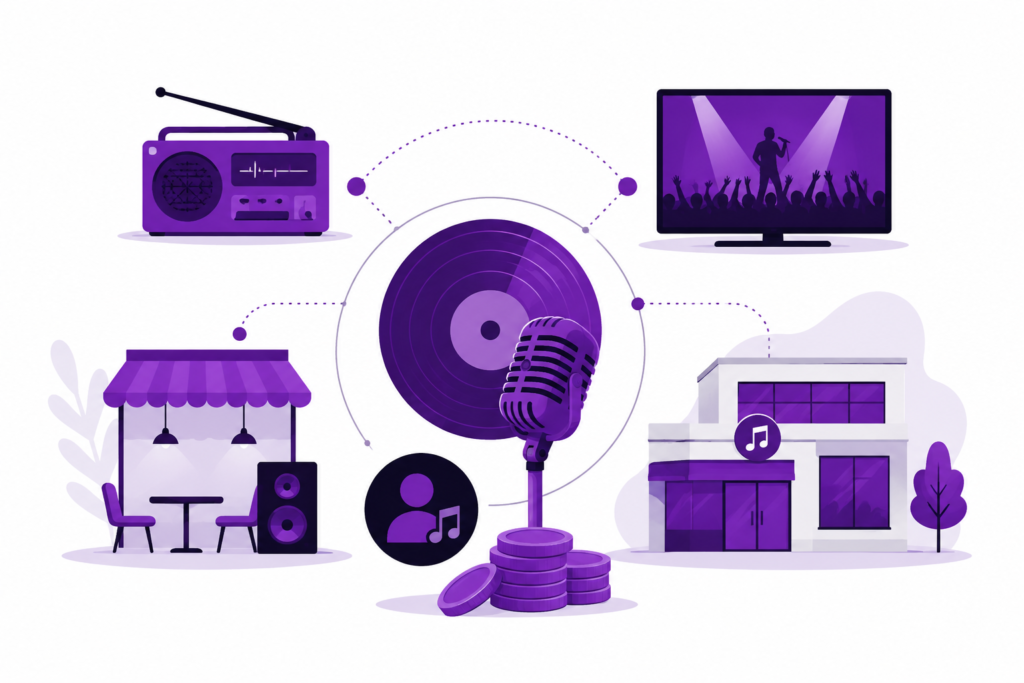
SAMPRA focuses on needletime royalties.
These royalties are earned when recorded music is publicly played on:
- Radio stations
- Television broadcasts
- Public venues
- Licensed businesses
Unlike songwriting royalties, SAMPRA royalties are intended for performers and master recording owners.
Many artists overlook SAMPRA completely and miss out on money they could be collecting.
Step 4: Get Your ISRC Codes
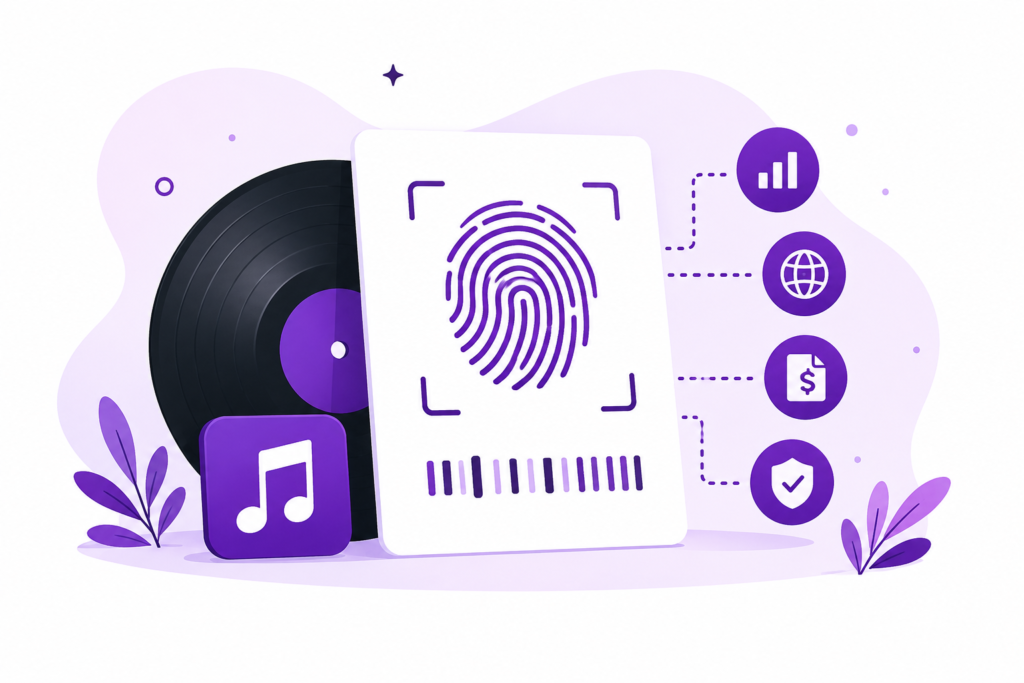
An ISRC (International Standard Recording Code) is a unique identification code assigned to each recording.
Think of it as your song’s fingerprint.
ISRC codes help:
- Track music usage
- Identify recordings globally
- Improve royalty reporting
- Prevent confusion between releases
Most modern music distributors such as DistroKid, TuneCore, and UnitedMasters automatically generate ISRC codes when you release your music. If you’re an independent artist, this is usually the easiest way to obtain ISRC codes while distributing your music worldwide.
Step 5: Keep Accurate Split Sheets
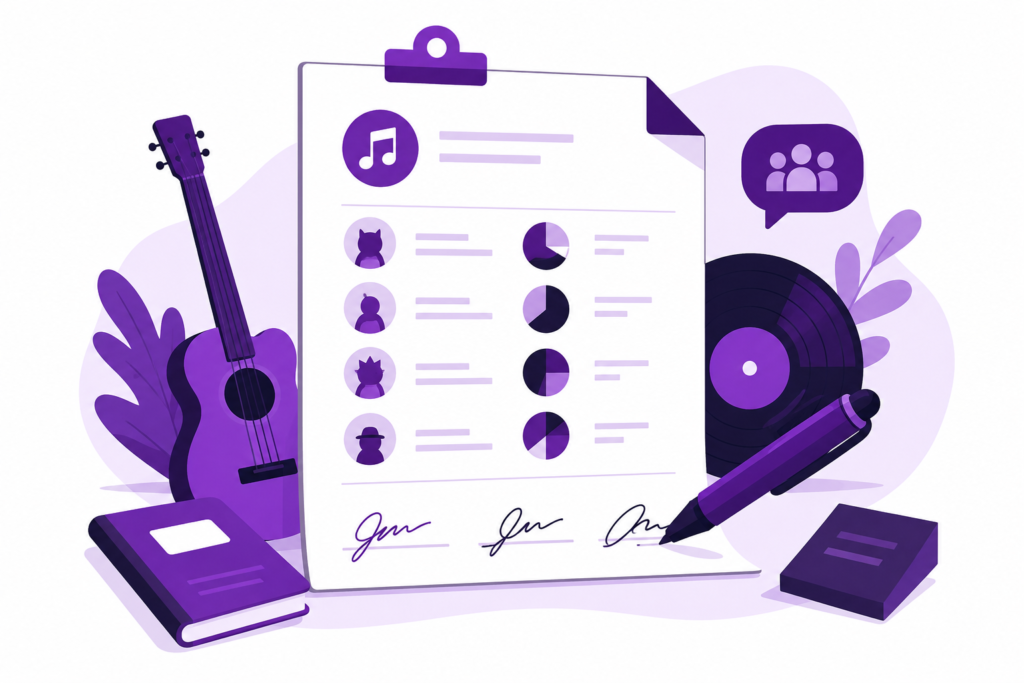
If you collaborate with producers, writers, vocalists, or other musicians, document ownership percentages before releasing the song.
A split sheet should include:
- Song title
- Contributor names
- Ownership percentages
- Signatures
- Contact information
This helps prevent disputes and ensures everyone receives the royalties they deserve.
Step 6: Keep Your Metadata Accurate
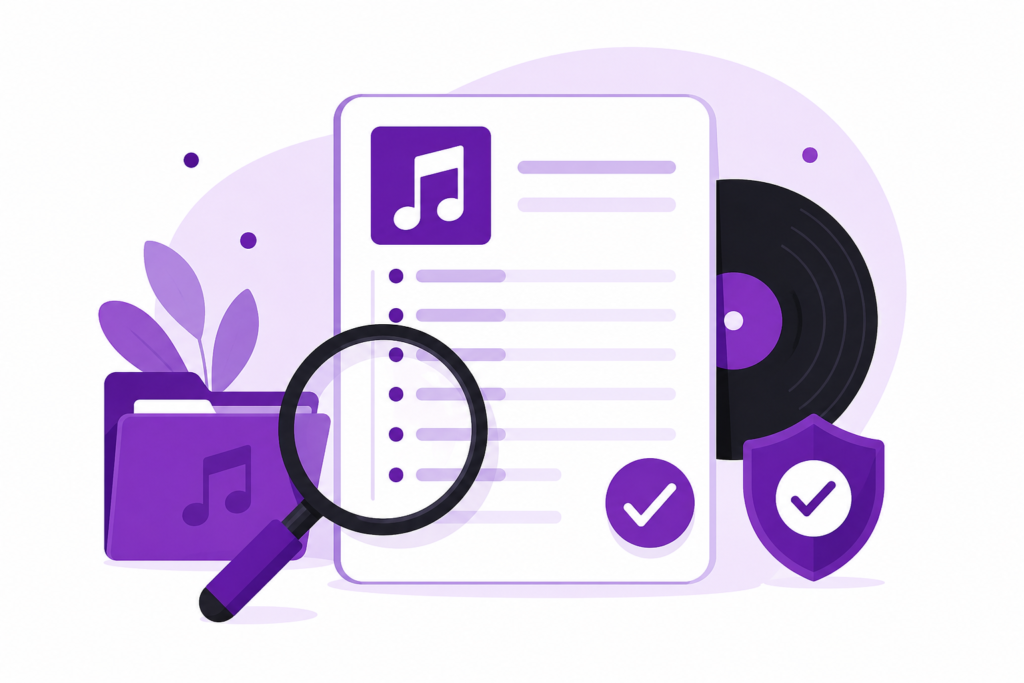
Metadata is the information attached to your music.
Examples include:
- Song title
- Artist name
- Composer information
- Publisher information
- ISRC codes
- Release date
Incorrect metadata can delay royalty payments and create confusion when organizations attempt to identify ownership.
Always double-check your information before release.
Step 7: Distribute Your Music Through a Trusted Distributor
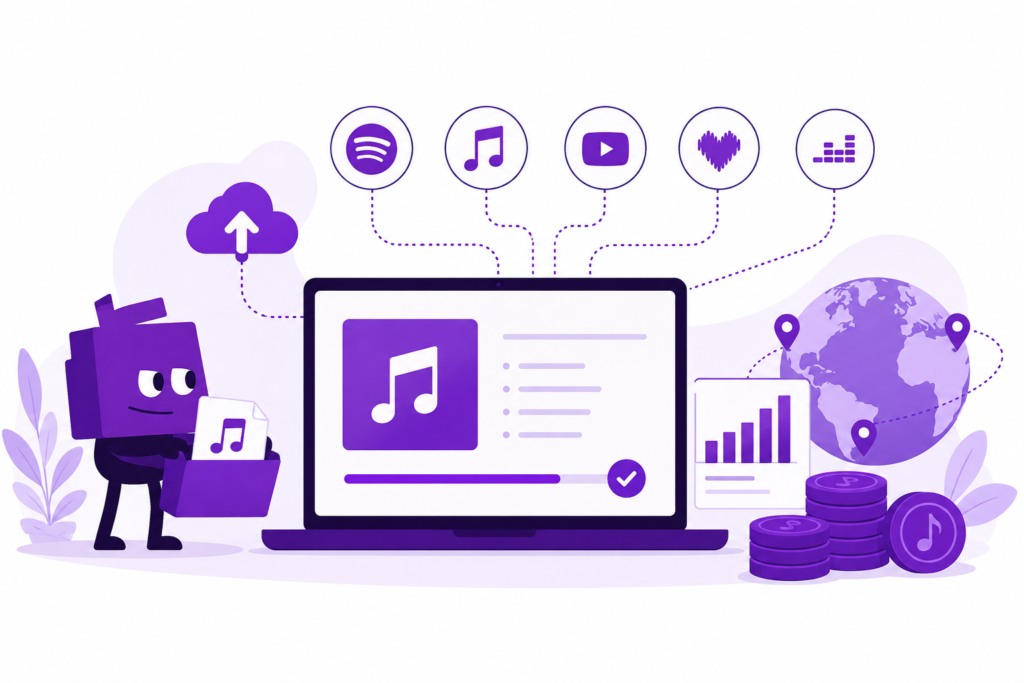
Before your music can appear on platforms like Spotify, Apple Music, YouTube Music, and Deezer, you’ll need a digital music distributor.
A distributor helps:
- Deliver your music to streaming platforms
- Generate ISRC codes
- Track streams and royalties
- Manage releases worldwide
Many artists use distributors such as DistroKid because of the speed and simplicity of the platform.
However, distribution is not the same as registration.
Uploading your music through a distributor does not automatically replace organizations such as SAMRO, CAPASSO, and SAMPRA.
You still need to register your music properly to maximize your royalty collection opportunities.
Common Mistakes Artists Make
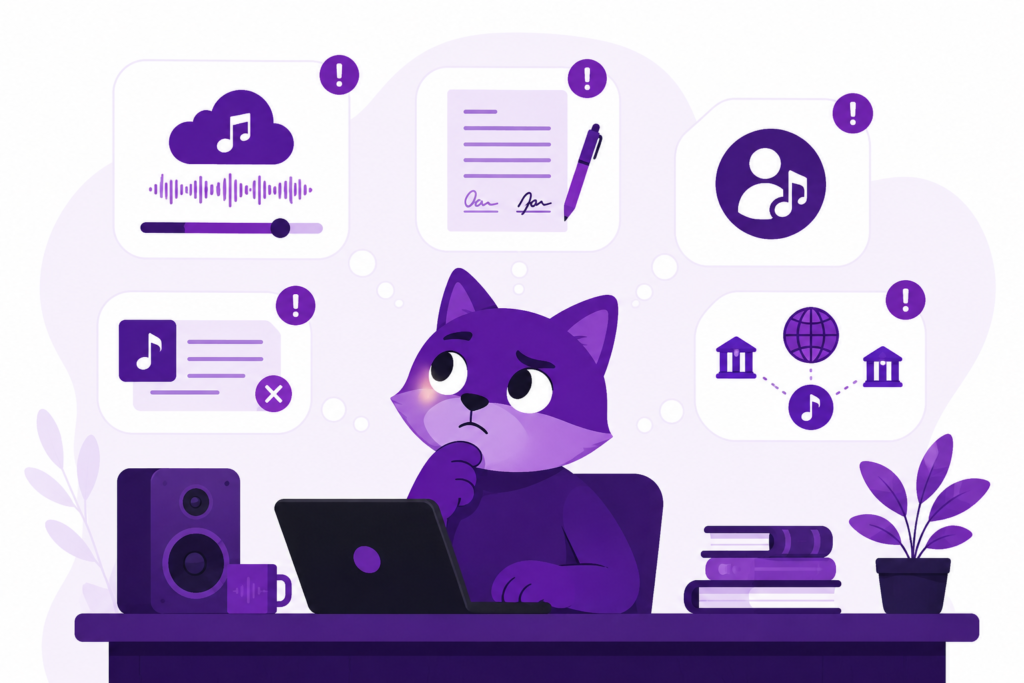
Releasing Music Before Registering
Many artists upload music first and worry about registration later.
It’s usually better to prepare everything before release day.
Ignoring SAMPRA
Some artists only focus on SAMRO and forget about performer royalties.
Missing Split Agreements
Verbal agreements often lead to problems later.
Always document ownership.
Incorrect Metadata
A simple spelling mistake can cause royalty tracking issues.
Assuming Distributors Handle Everything
Distributors help release your music, but they do not automatically replace organizations like SAMRO, CAPASSO, or SAMPRA.
Registration Checklist
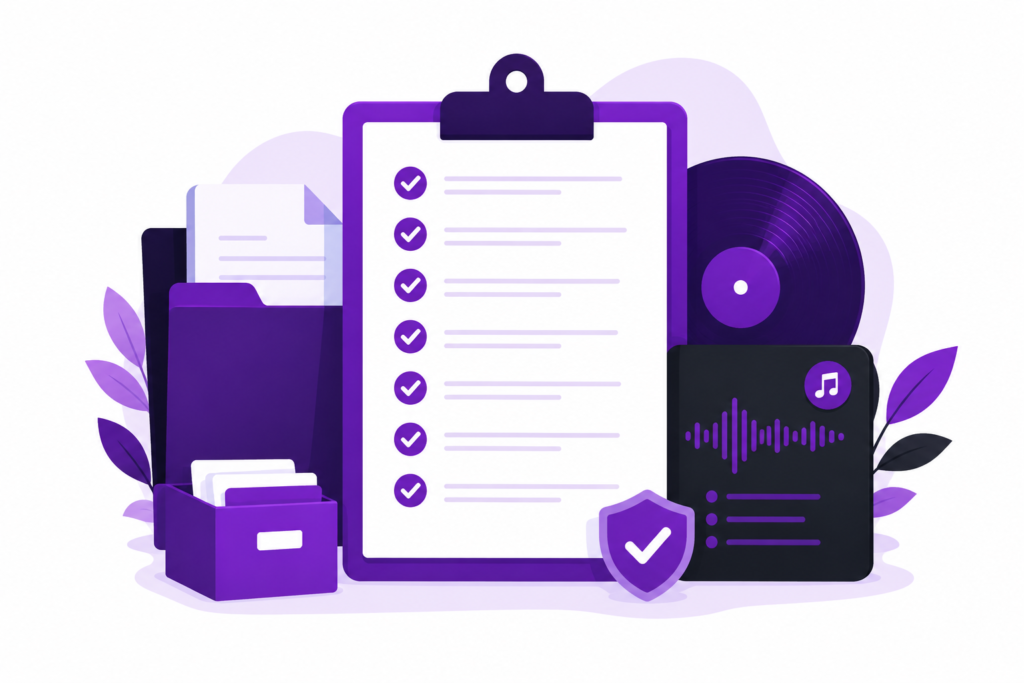
Before releasing a song, make sure you have:
- Registered with SAMRO
- Registered with CAPASSO
- Registered with SAMPRA
- Obtained ISRC codes
- Completed split sheets
- Verified metadata
- Backed up project files
- Confirmed ownership information
Final Thoughts
Creating great music is only half the job.
The other half is making sure you are properly credited and paid for your work.
By registering your music correctly, maintaining accurate records, and understanding how royalty collection works in South Africa, you put yourself in the best possible position to earn from your creativity.
Many artists focus only on making songs.
Successful artists focus on protecting them too.
Take the time to register your music properly today, and you’ll thank yourself later when the royalties start arriving.

