
Quick Overview
DJ Maphorisa (right) and Kabza De Small (left) performing together as Scorpion Kings – a collaboration that revolutionized the Amapiano genre in South Africa.
Why Collaboration Can Be a Game-Changer

In the South African music scene, collaboration isn’t just hype – it’s often the secret sauce behind the biggest hits. When DJ Maphorisa teamed up with Kabza De Small to form the Amapiano super-duo Scorpion Kings, they changed the game. Their partnership spawned timeless classics and showed how two artists can elevate each other’s sound and reach. As Maphorisa himself put it, “I’ve always enjoyed working with people… everyone has a style that reaches a limit. After that, you need to merge and be connective… now we share some ideas.” In other words, collaboration kept him relevant and inspired over the years. For an upcoming artist in Mzansi, joining forces with another musician can open doors to new audiences, spark fresh creativity, and even create a whole new vibe that you might not achieve alone.
But a collab can either be a dream or a disaster. To make sure yours is a success, you need to approach it with both creativity and savvy business sense. Let’s break down the key things to consider – from the fun parts of making music together, to the nitty-gritty of paperwork like split sheets, SAMRO, CAPASSO, and SAMPRA registrations. This guide will walk you through what to do before, during, and after a collaboration so you can focus on making bangers, not fighting over royalties.
Before You Collaborate: Set the Stage
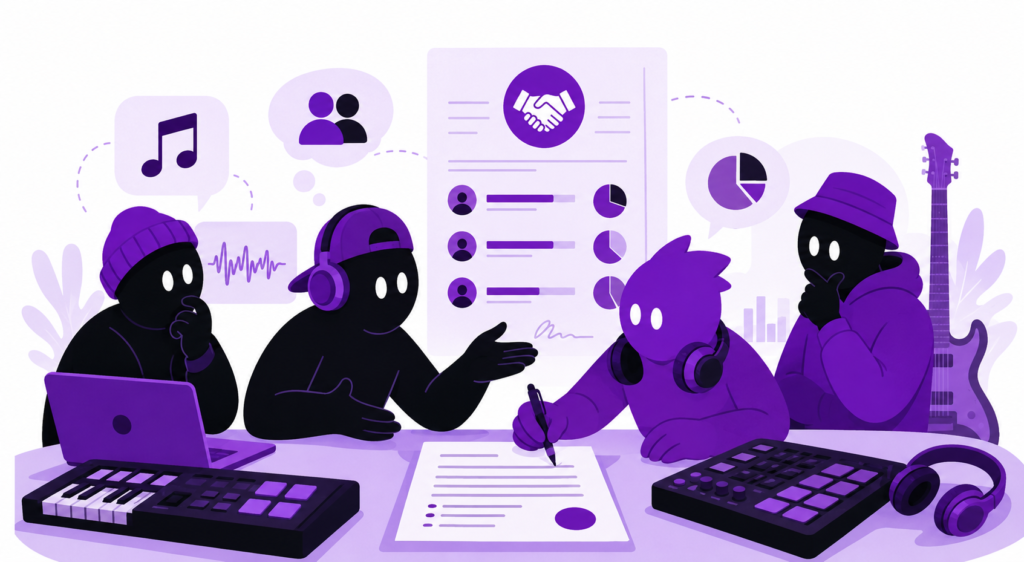
1. Choose the Right Collaborator: Look for an artist whose style, work ethic, and goals align with yours. Do they share your genre or complement it? If you’re a hip-hop producer, maybe that soulful vocalist will add magic to your track. Or if you’re an Amapiano DJ, another DJ like Kabza might bring fresh ideas to the table. The key is mutual respect and a shared vision for the song. Have a chat about your musical direction and make sure you’re on the same page about the sound and vibe you want to create.
2. Discuss Expectations Upfront: Before anyone hits the studio, talk about who will do what and what each person expects from the collab. Will you both contribute to songwriting? Who handles the beat production? Are you splitting costs for studio time or music video production? It might feel awkward to talk business with a friend or someone you admire, but clear communication now avoids conflict later. Decide on the basics early – for example, whose name will be the lead artist vs. featured artist, how you’ll release the song, and how you’ll handle promotion. This is also the time to talk about money and credits (yes, before the song even exists!). A simple conversation like, “If this track blows up, how do we split the earnings and credit?” can save your friendship down the line.
3. Put It in Writing (Yes, Now): Once you’ve chatted, get your agreement in writing. This doesn’t have to be a 20-page legal contract; even a one-page split sheet or basic collaboration agreement will do. A split sheet is a simple document that lists everyone who contributed to the song and what percentage of the song each person owns. It can include details like the song title, each contributor’s legal name, role (e.g. composer, producer, vocalist), and their ownership percentage, plus signatures. It might sound like extra admin, but it’s standard music business practice worldwide to do this for every song. Unfortunately, a majority of artists and producers in Africa skip the paperwork– and that often comes back to bite them. Don’t be that artist. Writing down the split now (whether 50/50, 70/30, or whatever you agree) ensures everyone knows where they stand.
Why is this so important? Imagine dropping a smash hit and then fighting over who gets what – it’s the last thing you need. We’ve seen it happen: The global hit “Jerusalema” brought South Africa to the world, but behind the scenes the artist and producer ended up in a nasty dispute over royalties. Initially, Master KG and Nomcebo Zikode agreed to split the proceeds 50/50, but when one party later pushed for a larger share, no one got paid because no final contract was in place. The lesson? Sort out splits before the song goes out into the world. It’s much easier to agree when everyone’s still excited in studio, rather than when millions of rands are on the line.
In the Studio: Collaboration Etiquette and Creativity
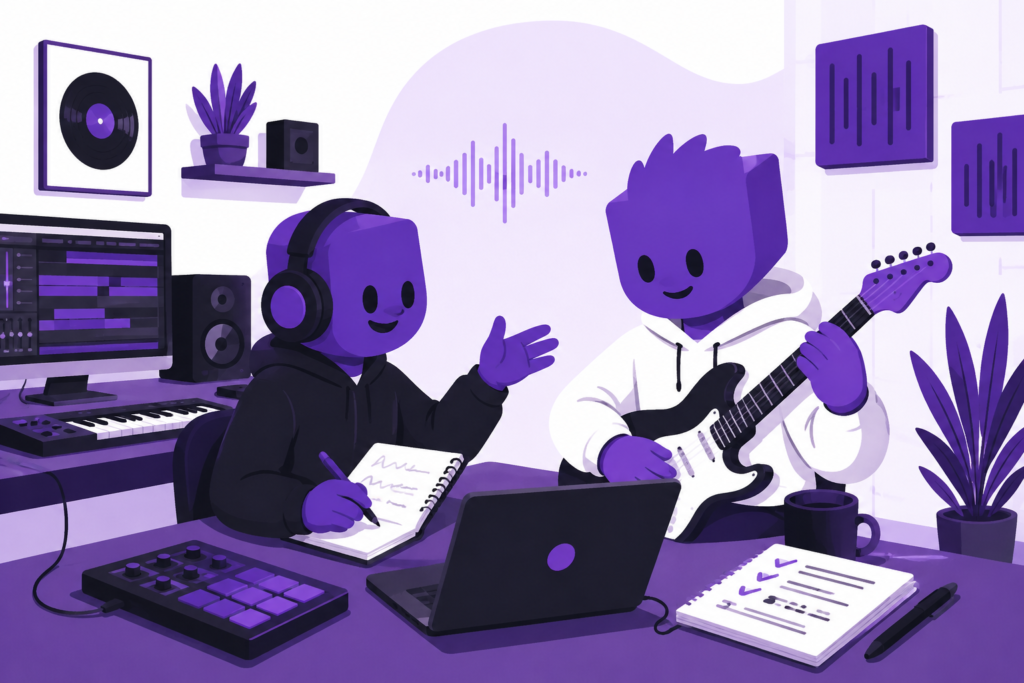
So you’ve got the groundwork sorted and you’re ready to make music together – lekker! The studio (or bedroom setup, or wherever you create) is where the magic happens, but it’s also where clashing egos or miscommunication can derail the project. Keep these tips in mind during the collaboration process:
- Respect Each Other’s Creativity: You teamed up for a reason – each of you brings something unique. Give your collaborator space to contribute ideas, whether it’s a lyric, a melody, or a drum pattern. If you’re the producer, don’t dominate the session; if you’re the vocalist, listen to feedback on your hooks. A collab is a two-way street. Even big-name duos like Maphorisa and Kabza thrive because they both drive the creative process and bounce off each other’s strengths.
- Communicate and Experiment: Be open about what you like or don’t like as the track evolves, but do it tactfully. If your partner tries a guitar riff that isn’t working, explain what you feel is off and maybe suggest an alternative. Don’t just say “that’s kak” and shut them down – find a constructive way forward. Similarly, be ready to experiment. Some collaborations fail because artists stick too rigidly to their own style. Try blending your sounds; you might create a fresh new genre mash-up. Trust the process and each other.
- Keep Track of Contributions: This one’s both creative and a bit business-y. While making the song, take note of who comes up with what (at least roughly). Did you both write the chorus together? Did one person write all the lyrics while the other did the beat and arrangement? Keeping mental (or written) notes will help later when finalizing that split sheet. It doesn’t have to be exact by the minute, but have an idea: e.g., “Lyrics 60/40” or “Beat by X, melody by Y.” Many artists decide on equal splits regardless of input, which is fine – just be sure everyone agrees.
- Stay Professional: Even if you’re working with your best friend, maintain a level of professionalism. Show up on time for sessions, or communicate if you’ll be late. If you promised to finish something (like writing a verse or editing the mix), pull your weight. Treat the project with the respect you’d give a high-profile gig. This not only makes this collab smooth, but builds your reputation – people talk, and you want to be known as someone who’s great to work with.
Splits and Royalties: Handle the Business End

Congratulations – you and your collaborator have cooked up a banger! Now, before you drop that track for the world to hear, take care of the business. This step is critical for protecting your rights and getting paid for your work. It might not be the fun part of music, but it’s how you build a sustainable career. Here’s what you need to do in the South African context:
1. Finalize the Split Sheet: If you already filled one out before, double-check it now with the final song in hand. Make sure all contributors are listed (don’t forget the guy who added backing vocals or the friend who wrote a catchy line – if they contributed significantly, they count). Confirm the ownership percentages you agreed on. Then have everyone sign it. This document is your safety net – it dictates how much each person will receive in royalties. Without it, you’re basically leaving things to chance or trust, which can go wrong once money flows. Many artists admit they’re “allergic to paperwork” and avoid this step, but push through it – your future self will thank you when royalties come in.
2. Register Your Track with SAMRO, CAPASSO, and SAMPRA: South Africa has three major music rights organizations, and each one covers a different type of royalty. To make sure you and your collaborator get every cent you’re owed, register your new song with all three. No shortcuts here – if you skip one, you could miss out on money. Here’s a quick rundown of the big three:
- SAMRO (Southern African Music Rights Organisation): SAMRO is the performing rights organization. They collect public performance royalties for compositions – meaning whenever your song is played on radio, TV, performed live, or even heard in a club or restaurant, SAMRO gathers fees on behalf of the songwriters. They then pay those royalties to composers, authors (lyricists), and music publishers. Both you and your co-writer should be SAMRO members if you wrote the song. Register the song by submitting a Notification of Works form listing both your names and shares. (There’s a small fee to join as a composer, but it’s worth it.) Keep in mind SAMRO can be slow – payouts often come a year late– but don’t let that deter you from registering; it’s still the only way to eventually get those performance royalties.
- CAPASSO (Composers, Authors and Publishers Association): CAPASSO handles mechanical royalties – money from the reproduction of your music. Think streaming on Spotify/Apple Music, downloads, CDs, even YouTube views. It pays composers and publishers for those streams and copies. If you or your collaborator produced or composed the track, you’ll want to register it with CAPASSO. They require you to provide the song’s details like ISRC code (a unique identifier for the recording) and the split information (who owns what percentage) – yet another reason that split sheet is gold. Registration costs a small fee for composers, and you can do it online. CAPASSO will collect from the streaming platforms and allocate to you based on your ownership percentage. Just make sure your metadata (song title, artist names, contributor info) is clean and consistent when you upload the song, because CAPASSO relies on that data to track your plays. If your names are misspelled or splits don’t add up, your money can get lost in the system.
- SAMPRA (South African Music Performance Rights Association): SAMPRA deals with needletime (recording) royalties. This is for the actual sound recording – the master – and it’s earned when your recorded track is played on radio, TV, and in public venues. It’s meant for the performers on the track and the owners of the recording (which could be you if you’re independent, or a record label if you signed the track to one). SAMPRA membership is free, but you must register and list all the performers on the track (including who played which instruments, if applicable). For example, if you and your collaborator both perform on the song (say one rapped, one sang), you’ll both be performers to register. If you’re releasing under your own label or independently, you’ll also register as the recording rights owner. Once registered, SAMPRA collects license fees from broadcasters/venues and pays out to the performers and labels. They’re known to be a bit more efficient than the others, but you may still wait months before seeing your first payment. The crucial part is: if you don’t register, you won’t get paid from these plays, ever.
In short, registering with SAMRO, CAPASSO, and SAMPRA is a must – cover all your bases (performance, mechanical, and needletime). It might feel like a hassle filling forms when you just want to drop the song, but think of it as securing the bag for the long term. Every time that song gets played on radio or added to a popular playlist, those organizations make note of it. No registration means no royalties, so don’t leave money on the table.
3. Understand Royalty Splits (and Agree on Them): Royalties from your song will come in different forms – and your split sheet already defines how you and your collaborator share them. But it’s good to understand what those streams are:
- Publishing royalties (from SAMRO and CAPASSO): If you two wrote the song together, you’ll share these according to your songwriting split. Typically, if two people write a song, they might split 50/50. But if, say, one only contributed a small verse, you could do 70/30 – it’s whatever you agreed. These royalties include performance (SAMRO) and mechanical (CAPASSO) as described above.
- Master royalties (from SAMPRA and digital platforms): If you release the song independently, the income from streams and sales (after the platform’s cut) usually goes to whoever owns the master recording. If you’re splitting the costs and decided to release it jointly, you might agree to split this income too. With SAMPRA, if you both performed, you each get a performer share (often split equally among featured performers by default) and if one of you is the designated “recording owner” (like the label), that entity gets the label share. Work this out: perhaps you form a joint venture for the song, or agree that Artist A’s label releases it but pays Artist B an agreed percentage. The main thing is to discuss it and write it down. Completing a featured artist agreement (if one of you is “featuring” on the other’s track) is wise – it states exactly what the featured artist gets. In the Jerusalema case, a featured artist agreement was drafted to give Nomcebo (the featured singer) 50% of Master KG’s artist royalties, but because it wasn’t signed amid a dispute, payouts were delayed and conflict ensued. Don’t let that happen to you; finalize your agreements while everyone’s on good terms.
4. Credit Each Other Properly: This might not seem like a financial thing, but giving proper credit is huge for professional relationships and future opportunities. Decide how the track will be attributed. Will it be Artist X & Artist Y (as co-leads, like Scorpion Kings), or Artist X feat. Artist Y? This can affect everything from how it’s marketed to how each of you is perceived by fans and industry. Agree on billing and stick to it on all platforms (streaming metadata, YouTube description, press releases, etc.). Also, share the love on social media – tag your collaborator, promote the song together. A collaboration is a team effort, so you both should benefit from the spotlight.
Release and Beyond: Making the Most of Your Collaboration

With the song finished and paperwork done, it’s time for the release. Here are a few final things to consider after the creative work is wrapped up:
- Release Strategy: Coordinate your release for maximum impact. Decide on a release date together. If one of you has a bigger following, maybe premiere the song on their platforms or via a popular channel. Consider whether you’ll drop a music video and how you’ll split those costs and tasks. For example, one could handle video production while the other focuses on PR – play to your strengths. By planning this jointly, you ensure neither of you feels left out or taken advantage of when the song is out.
- Register Live Performances: If you perform the song at gigs, make sure to submit your setlists to SAMRO for those shows. SAMRO pays performance royalties for live gigs too, but they only know about your performance if you tell them by logging it. It might seem tedious to log every show, but it can add up (especially if your collab track becomes a staple in your set or gets covered by other performers). A quick entry after each gig can mean extra money later – don’t leave it on the table.
- Monitor Your Royalties: After releasing, keep an eye on where the song is getting played. If it’s on radio, you can use tracking services or even just follow radio charts. For streaming, check your distributor’s reports. This is not only exciting (seeing your track gain traction) but also practical – if six months down the line you haven’t seen a cent from CAPASSO for a song that’s doing well on Apple Music, you might need to follow up. Sometimes things slip through the cracks, especially if your metadata had a typo or the song wasn’t properly registered. Stay on their case if needed: call or email SAMRO/CAPASSO/SAMPRA to ask about your submissions if royalties take too long. As a young artist, it can feel intimidating, but remember these organizations work for you, the creator. Persistence can pay off (literally).
- Keep Building on the Momentum: A great collab can be a springboard for your career. If this one goes well, nurture that relationship. Maybe you become a duo like Maphorisa and Kabza, dropping an entire joint EP. Or maybe you simply feature on each other’s solo projects going forward. At the very least, you’ve expanded your network. Industry folks notice when artists collaborate frequently – it signals that you play well with others and are active in the scene. Use that to your advantage: connect with other artists, songwriters, or producers you meet through your collaborator. Who knows, your next big collab could be a WhatsApp message away.
Final Thoughts
Collaborating with another artist can be one of the most rewarding moves in your music journey. It’s an opportunity to learn, to reach new ears, and to create something unique – the whole can truly become greater than the sum of its parts. South Africa’s rich music culture, from jazz ensembles to hip-hop crews to the Amapiano movement, is built on the spirit of collaboration and sharing. By all means, dive into collabs with an open heart and creative mind like our icons who came before – but also protect yourself by handling the business side with open eyes.
To recap, do your homework and your paperwork: pick the right partner, communicate your plans, get your split sheets and agreements done, and register your song with the right bodies (SAMRO, CAPASSO, SAMPRA) to claim what you’re owed. As the saying goes, “Teamwork makes the dream work” – but in the music business, teamwork coupled with good admin makes the dream sustainable. So go forth and make that fire track with your fellow artist. May your collaboration be the next big hit on Radio Mzansi – and may you both enjoy the rewards, fame and fortune, fair and square. Good luck – siyavaya!

