
Quick Overview
f you’re a music artist in South Africa, it’s not just your talent that matters — your paperwork can make or break your career. Whether you’re signing to a label, collaborating with other artists, or releasing music independently, having the right contracts in place protects your rights, your money, and your future.
Here are 5 essential music contracts every South African musician should know about in 2025.
1. Split Sheet Agreement
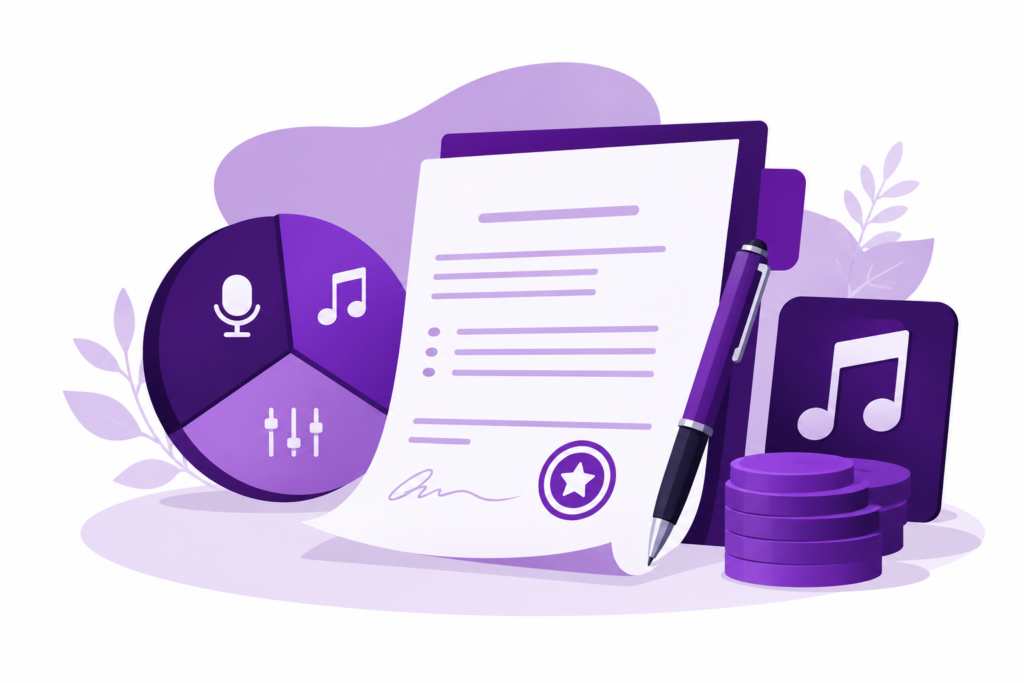
This is one of the most slept-on contracts in the game — especially for new artists.
A split sheet outlines who owns what percentage of a song.
Whether you co-wrote lyrics, produced the beat, or laid down vocals, get the splits in writing. This helps with collecting royalties through SAMRO, CAPASSO, and other rights bodies.
Why it matters: No split sheet = No royalties = No peace.
2. Producer Agreement

If someone made the beat you’re using — or you’re the producer yourself — you need a producer agreement.
This contract spells out:
- Payment (lease vs exclusive)
- Royalties and publishing split
- Usage rights (commercial, mixtape, YouTube, etc.)
Pro tip: Always clarify whether you’re buying exclusive rights or just leasing the beat.
3. Artist & Label Agreement (Record Deal)

This is the big one — the famous “record deal.” But not all label deals are the same. They can include:
- Distribution-only deals
- 360 deals (where the label takes a cut of everything)
- Joint ventures
What to watch for:
- Royalty percentages
- Ownership of masters
- Contract duration
- Performance clauses
Important: Never sign this without a music lawyer reviewing it.
4. Collaboration Agreement
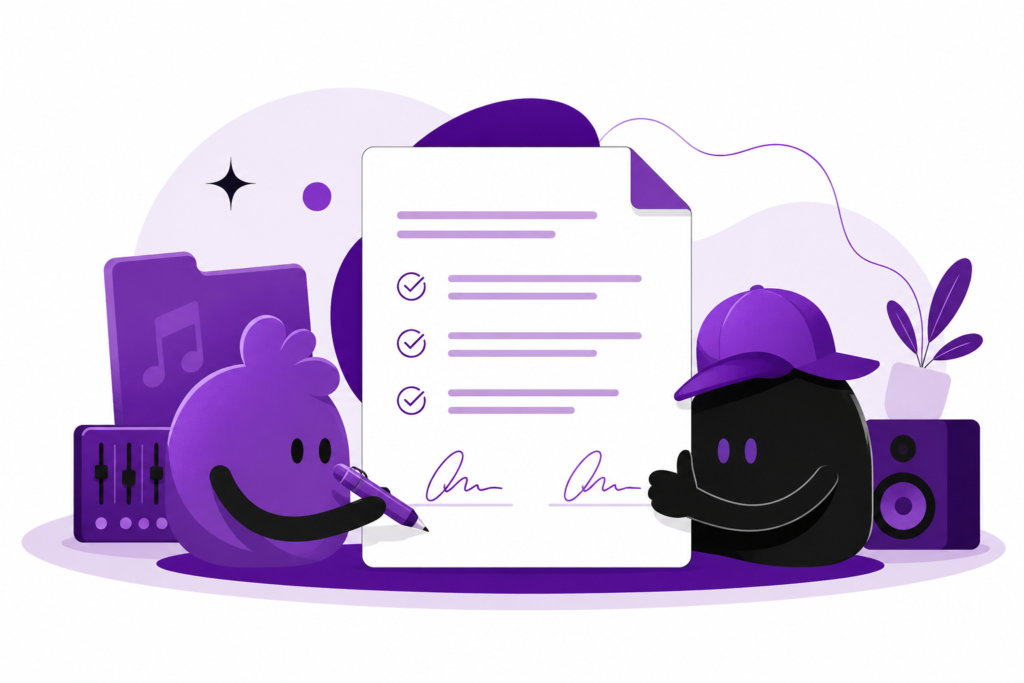
When you collaborate with another artist, don’t just rely on WhatsApp texts or voice notes.
A collab agreement covers:
- Who owns what (and in what percentage)
- Who handles distribution
- Who pays for mixing, mastering, etc.
This saves friendships and protects the business.
5. Music Licensing Agreement
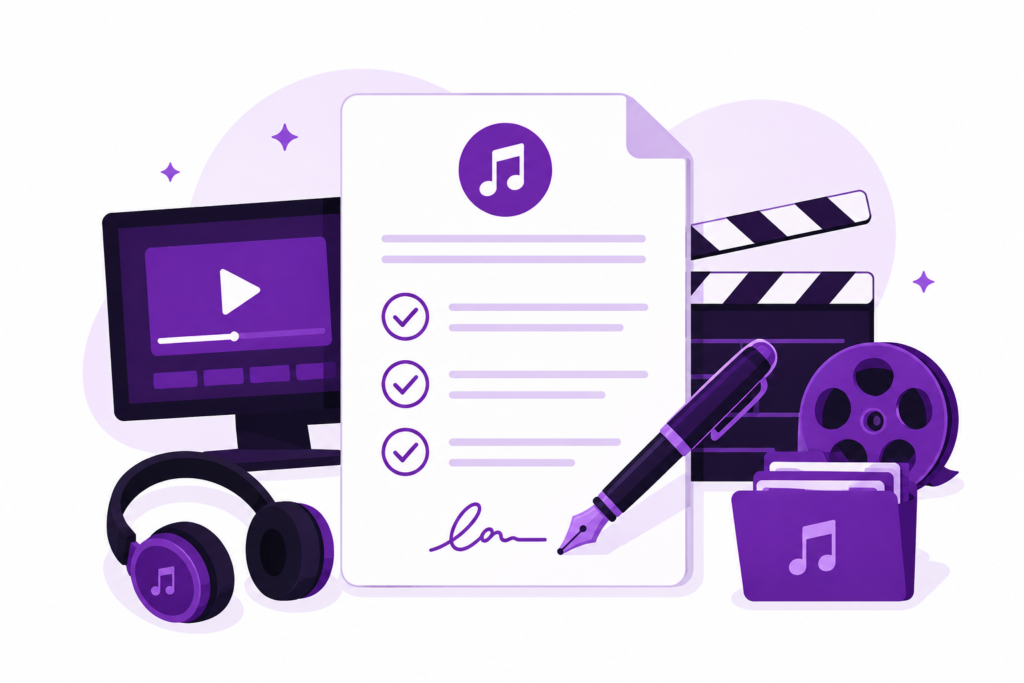
If you want your song featured in a movie, ad, TV show, or even a YouTube channel — you’ll need a sync license agreement.
This outlines:
- The fee for usage
- Where and how the music will be used
- Whether it’s exclusive or non-exclusive
Bonus Tip: If you’re using loops or samples (especially from Splice), always double-check the license — even free samples can get you in legal trouble.
Final Thoughts
Music is more than just a vibe — it’s a business. Having these five contracts ready (or at least knowing they exist) puts you ahead of the game in 2025. Protect your art, secure your bag, and build a sustainable career.

