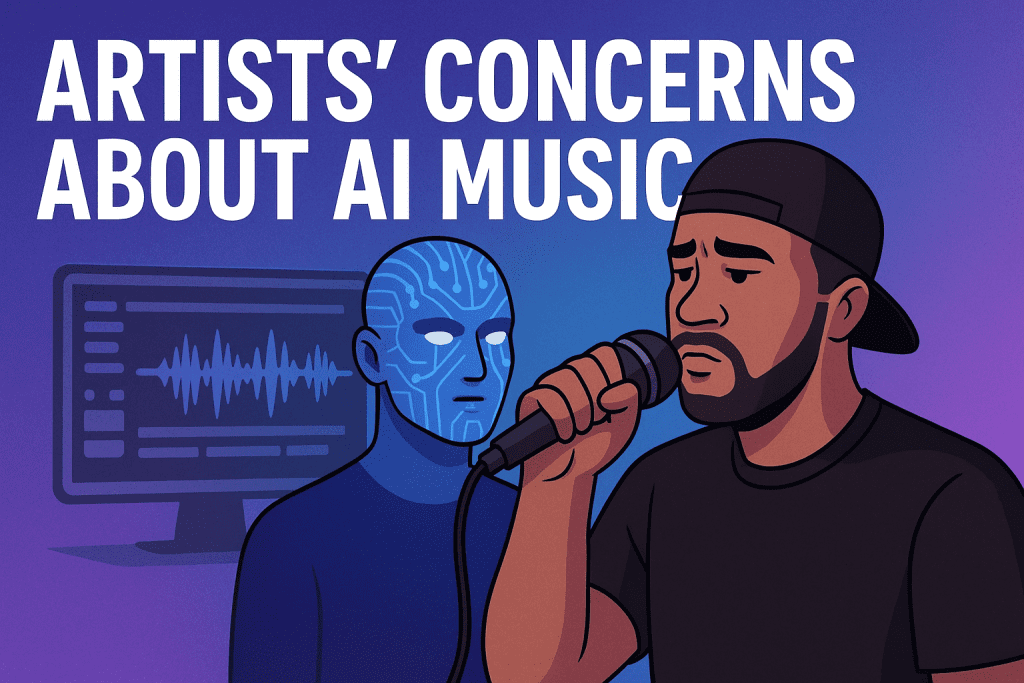
AI music tools like Suno and Udio are shaking things up — but not always in a good way. As these platforms get smarter, local artists in South Africa are starting to worry: “Will AI replace me?” or “Can someone steal my voice?” These are real questions, especially with the recent controversy involving music legend Timbaland.
Let’s break it down for the culture.
🤖 1. What Is Suno and Why Are Artists Worried?
Suno AI lets people type a prompt and generate a full song — vocals, beat, lyrics — in seconds. It’s powerful, but also dangerous. If someone uploads your voice or beat to train their AI, it could be used to make music as if it’s you — without your permission, credit, or payment.
That’s not just shady — it could be a legal problem.
🧑🏽⚖️ 2. Suno Lawsuit: U.S. Labels Are Fighting Back
Suno is currently being sued in the U.S. by major labels like Universal Music Group. The accusation? That Suno has been trained using real copyrighted music without permission from the artists or producers who made it.
“If AI can listen to your song and recreate it without paying you, that’s a threat to everyone in the music game.”
And best believe — if it’s happening there, it can happen here too.
👨🏽🎤 3. Timbaland’s AI Controversy: Beat from K Fresh, Vocals from Tata?
Timbaland found himself in hot water when he posted a demo of an AI-generated track using K Fresh Music’s beat and tag, along with AI vocals that fans say sound like Tata — a TikTok artist.
Timbo explained that he used Suno to combine the beat and vocals as a showcase of AI’s potential. But he didn’t get permission from K Fresh or Tata. The beat was nearly identical to K Fresh’s original, and even the producer tag was left untouched.
Mzansi producers took notes:
If AI can remix your sound and voice that easily, who’s really eating off your creativity?
🛡️ 4. How Can Artists Protect Themselves?
Here are some smart moves to protect your art:
- Register your songs with a rights organization like SAMRO or CAPASSO.
- Use metadata (your name, contact, rights info) on all uploads.
- Monitor AI tools for uploads or clones of your sound.
- Add unique audio watermarks in stems that are hard to remove.
- License smart – make sure your contracts clearly say how your beats or vocals can (or can’t) be used.
🚀 5. What Can Mzansi Artists Learn from This?
Whether you’re an Amapiano producer in Tembisa or a hip-hop artist in Jozi — your work has value. AI should help you, not replace you. It’s all about control and credit.
As the AI era grows, the message is clear:
Protect your voice. Protect your beats. And protect your legacy.

